Trees: A Designer's Review for Real-World Embroidery
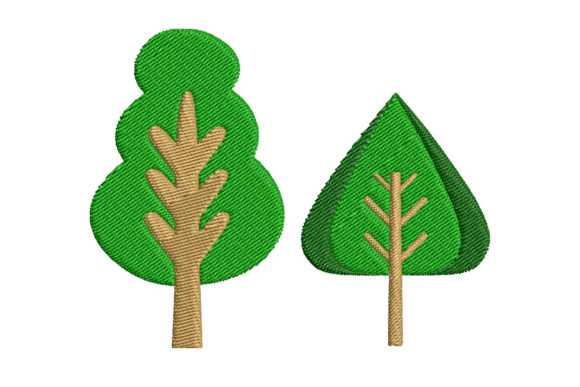
When I first opened the Trees embroidery design file, my initial reaction wasn't about the stitch count or the technical specifications. It was about the mood. There is something inherently grounding about a forest theme, and this particular set of two adorable tree designs manages to capture that essence without feeling heavy or overly complex. As someone who has spent years reviewing digital assets for both personal hobby projects and commercial small business lines, I look for designs that offer versatility. Trees feels like a natural fit for anyone looking to add a touch of nature-inspired charm to their handmade inventory.
The visual personality of this design is soft yet distinct. The shapes are rounded and inviting, avoiding sharp angles that might get lost in dense stitching. This makes it an excellent candidate for custom apparel, particularly items where you want the design to feel friendly rather than aggressive. Whether you are creating a boutique collection or making personalized gifts for family, the aesthetic of Trees bridges the gap between rustic and modern perfectly.
Real-World Application: From Digital File to Finished Product
To truly understand the value of an embroidery design, you have to imagine it on fabric. Let's walk through a practical scenario. Imagine you are preparing for a local craft fair or launching a new line on Etsy. You decide to create a custom embroidered tote bag featuring Trees. The goal is to produce a product that looks professional enough to command a higher price point but retains that cozy, handmade appeal that buyers love.
In this scenario, the layout of Trees becomes critical. With two distinct tree designs included, you have the option to place them side-by-side for a balanced composition or separate them across different products, like a matching set of kitchen towels and a pillow cover. When I tested similar forest-themed files on canvas tote bags, the results were impressive because the design scales well. However, the success of the final product depends heavily on how the design interacts with the fabric texture.
If you are aiming for a high-end look, Trees works beautifully on light-colored cotton or linen blends. The clean lines allow the thread colors to pop, creating a crisp finish that suggests quality craftsmanship. For a more rustic vibe, using earthy thread tones against a burlap or denim background can make the design feel organic and textured. This flexibility is what separates a generic clip-art style from a true design asset worthy of a small shop brand.
Where Trees Shines in Home Decor and Apparel
Beyond totes, the versatility of this design extends into home decor and baby items. Nursery decor is a massive market right now, and parents are constantly looking for unique, non-generic themes. Trees fits seamlessly into a woodland nursery theme. Stitching these onto a baby onesie or a quilted blanket creates a keepsake that feels special and enduring. The gentle curves of the trees avoid any harsh edges, making them safe and visually soothing for a child's room.
For adult wearables, consider sweatshirts or hoodies. The design is substantial enough to hold its own on a larger garment but not so large that it overwhelms the wearer. If you are selling embroidered patches, Trees could serve as a great motif for outdoor enthusiasts or nature lovers. The simplicity allows for easy application on caps or jackets, provided the curvature of the hat is accounted for during digitizing.
However, there are specific areas where you need to exercise caution. While the design is charming, it may struggle on highly textured fabrics like thick sherpa or loose-weave wicker baskets. In these cases, the stitches might not lay flat, resulting in a messy appearance. Similarly, if you plan to use this on dark fabrics, you must ensure your underlay and top thread choices provide sufficient contrast. A light green tree on a navy shirt might get lost unless you use a satin stitch border or a contrasting outline.
Technical Considerations for Professional Results
As a reviewer, I cannot stress enough the importance of testing before you sell. Even the most beautiful design can fail if the execution isn't right. Before committing to a full production run for your craft business, always test the Trees design on scrap fabric. This step is non-negotiable for maintaining customer trust.
Here are a few critical checks to perform:
- Hoop Size Verification: Ensure the design fits within your standard hoop sizes. If you are working with smaller hoops, check if the design needs to be resized, which can sometimes distort the proportions of the trees.
- Stitch Density: Look closely at the fill stitches. If the density is too high, the fabric might pucker, especially on stretchy materials like jersey or knit t-shirts. If it is too low, the design might look sparse and cheap.
- Stabilizer Selection: The choice of stabilizer is just as important as the thread. For a design like Trees, which likely involves a mix of running stitches and fill stitches, a cut-away stabilizer often provides the best support for long-term durability, especially for items that will be washed frequently.
- Thread Color Contrast: Test your color combinations in black and white mockups first. Sometimes a color combination that looks good on screen fails in person due to low contrast. Ensure the trees stand out clearly against the background fabric.
Licensing and Commercial Use
One of the most common pitfalls for Etsy sellers and digital product sellers is overlooking licensing terms. Before you start producing finished goods to sell, you must confirm the license associated with the Trees embroidery file. Does it allow for commercial use? Are there limits on the number of units you can sell? Some designers offer personal-use-only licenses, while others provide commercial rights for a fee. Ignoring this can lead to legal issues and damage your reputation as a professional creator.
Furthermore, if you are reselling the digital file itself, ensure you have explicit permission to do so. Most creators prohibit the redistribution of their files. Instead, focus on selling the physical finished products. This approach adds tangible value to your work and aligns better with the handmade ethos that customers appreciate.
Final Thoughts on Visual Appeal and Value
The ultimate measure of a design like Trees is how it impacts the perceived value of your product. A well-executed embroidery project elevates a simple item into a premium gift. When a customer sees a tote bag or a pillowcase with clear, precise stitching of Trees, they perceive the item as durable and thoughtfully made. This perception drives sales and builds brand loyalty.
Conversely, poor stitching or inappropriate fabric choices can undermine even the best design. The key is to treat the embroidery process with respect, paying attention to every detail from the stabilizer choice to the final trim. By following these guidelines and respecting the design's limitations, you can turn a simple digital file into a standout product for your small shop.
In conclusion, Trees is a versatile and charming addition to any embroidery library. Its ability to adapt to various products, from baby clothes to home decor, makes it a smart investment for creative entrepreneurs. Just remember to test thoroughly, respect the licensing terms, and choose your materials wisely. With the right approach, this design can help you create meaningful, high-quality pieces that customers will cherish for years to come.