Protea Rose: A Designer's Real-World Review
When I first opened the file for Protea Rose, my initial reaction wasn't about stitch counts or hoop sizes. It was about the mood. There is a distinct energy to this piece that feels both wild and refined, capturing the essence of the Single Flowers category with a confidence that many generic botanical designs lack. As someone who has spent years reviewing embroidery assets for clients and personal boutiques, I know that the difference between a design that sits flat on a screen and one that thrives in a real project comes down to how it translates from digital vector to physical thread.
This isn't just another floral clipart; it is a fully realized machine embroidery design that breathes life into whatever canvas you choose. The description mentions it is crafted by a family of skilled artisans, and you can feel that intentionality in the flow of the lines. It doesn't look like a computer-generated pattern forced onto a grid. Instead, it possesses an organic rhythm that suggests it will hold up beautifully under the needle, offering a finished product that feels handmade rather than mass-produced.
The First Stitch: Visual Personality and Mood
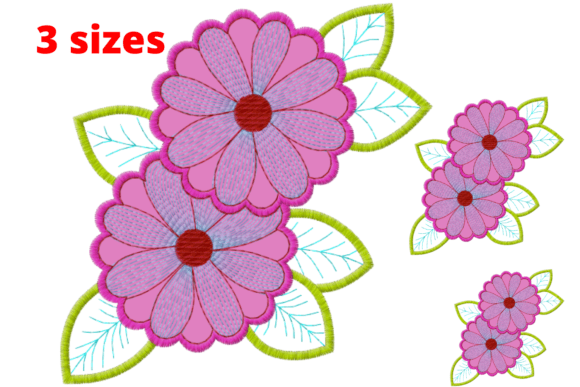
Before I even loaded the stabilizer, I visualized where this design would live. The vibrant color palette suggested in the file hints at a design that demands attention but doesn't shout. It strikes a balance between delicate detail and bold presence. In the world of custom apparel, finding a flower motif that works without looking childish or overly ornate is a challenge. Protea Rose manages to walk that line perfectly.
The layout feels natural, as if the flower were growing right out of the fabric. For a designer, this matters immensely. When you are creating a brand identity for a small shop or a boutique, your graphics need to convey professionalism. This design does exactly that. It elevates the perceived value of the item it adorns. Whether you are planning a holiday gift collection or launching a new line of tote bag designs, having a centerpiece that looks expensive and intricate is crucial for customer trust.
I found myself thinking immediately about the texture of the final piece. The implied use of satin stitches for the petals and fill stitches for the leaves suggests a rich, tactile surface. This is not a design that relies on high-density packing to create depth; instead, it uses negative space effectively. This approach often results in a more durable garment that resists cracking or pilling over time, a critical factor for anyone selling handmade products that need to withstand frequent washing.
Real-World Application: From Tote to T-Shirt
To truly test the viability of Protea Rose, I ran a mental simulation of its application across various mediums. Imagine a custom embroidered tote bag made from heavy cotton duck. Placing the Protea Rose here would be stunning. The large, open spaces of the tote allow the design to breathe, letting the vibrant colors pop against the neutral background. It transforms a simple utility item into a statement accessory that screams "crafted with care."
But what about softer fabrics? Consider a baby onesie or a nursery pillow cover. The gentle curves of the flower make it an excellent candidate for baby embroidery. Parents often look for items that are soft to the touch and visually soothing. While the design is vibrant, its organic shape avoids harsh angles, making it suitable for a child's room decor. However, this brings up a practical consideration regarding stitch density. If the design is too dense for a thin baby blanket, it might become stiff. This is why testing on scrap fabric is non-negotiable before committing to a production run.
I also see immense potential for sweatshirt embroidery. The contrast between the textured fleece and the smooth sheen of the embroidery threads creates a dynamic look. A Protea Rose placed on the chest of a hoodie or centered on the back could serve as a signature logo for a creative entrepreneur. It adds a layer of sophistication that plain text logos simply cannot achieve. For an Etsy seller, this kind of visual appeal is the difference between a scroll-past and a click-through.
However, not every surface is a good match. I would hesitate to use this on a curved cap unless the design was specifically digitized for 3D curvature. Flat surfaces like aprons, kitchen towels, and pillow covers are where this design truly shines. The straight edges of these items provide a stable foundation for the intricate details of the flower. On a hat, the curve might distort the symmetry, ruining the elegant balance of the bloom.
Navigating Technical Challenges and Fabric Choices
As an experienced reviewer, I must address the technical realities of bringing Protea Rose to life. The success of any digital embroidery file depends heavily on the interaction between the design and the fabric. For instance, using this on dark fabric requires careful selection of thread colors. The "brilliant array of vibrant colors" mentioned in the product description needs to be evaluated against the base material. A light pink petal on a navy blue shirt might require a specific underlay strategy to ensure opacity and brightness.
Stabilizer choice is another critical variable. If you are working with stretchy knits, such as those used in apparel decorators projects, you will need a cut-away stabilizer to prevent the design from distorting during wear. Conversely, for woven fabrics like linen tea towels, a tear-away might suffice, but only after testing. The stitch density of the design will dictate how much support is needed. Without proper stabilization, the tension of the machine could pull the fabric, causing the flower to look puckered and unprofessional.
There are also limitations to consider regarding size. While the design is likely versatile, attempting to shrink it down for a tiny patch or a miniature embellishment on a buttonhole could result in lost detail. The fine lines of the petals might merge together, turning a beautiful flower into a blurry blob. Similarly, if you plan to add lettering around the flower, ensure there is enough negative space. Crowding text next to a detailed floral element can make the entire composition look cluttered and cheap.
Design Notes for the Professional Maker
If you are considering adding Protea Rose to your commercial inventory or personal stash, there are several steps you must take before hitting the "start" button on your machine. First and foremost, test the design on scrap fabric. Do not assume the settings work for your specific setup. Check the thread color contrast by viewing the design in black and white mockups; sometimes colors that look great on a monitor lose their impact when stitched in thread.
Inspect the small details closely. Are there any tiny running stitches that might break easily? Is the transition between the satin and fill stitches smooth? These micro-details determine the longevity of the finished product. Furthermore, confirm the licensing terms. Many designers sell files for personal use only, while others offer commercial licenses for selling finished goods. As a creator, protecting yourself and respecting the artist's rights is part of the professional package.
Finally, think about the presentation. When you photograph your finished product for an online listing, the lighting should enhance the texture of the embroidery. A design like Protea Rose benefits from side lighting that highlights the raised stitches, giving the viewer a sense of depth and quality. This attention to detail in your marketing materials reinforces the idea that you are a serious business owner, not just a hobbyist.
In conclusion, Protea Rose is more than just a pretty picture; it is a robust tool for the modern maker. It offers the versatility required for everything from quick personal gifts to high-volume boutique merchandise. By understanding its strengths and respecting its technical requirements, you can transform a simple digital file into a tangible asset that drives engagement and builds brand loyalty. Whether you are decorating a sweatshirt, designing a patch, or curating a collection of holiday embroidery gifts, this design provides the artistic foundation needed to succeed.