Mylar Flamingos: A Designer's Real-World Review
I have spent years reviewing embroidery files for clients who run boutique shops, Etsy stores, and custom apparel businesses. When I first saw the Mylar Flamingos design in my inbox, my initial reaction wasn't about stitch counts or file formats; it was about the vibe. It immediately screams "summer," "vacation," and "tropical chic." As a designer, I am always looking for that specific spark where a digital file translates perfectly into a tangible product that customers will love to hold. This review is not just about what the design looks like on a screen, but how it performs when it actually hits the hoop and becomes part of a finished product.
The First Impression: Mood and Visual Personality
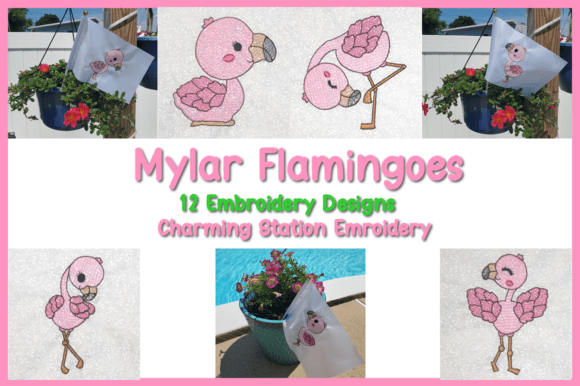
The name Mylar Flamingos suggests something more than just standard thread work. The description mentions "shimmering beauty," which implies a metallic or foil element often achieved through specific thread choices or applique techniques. For a designer, this is a crucial detail. Standard polyester threads are great, but if this design relies on a metallic sheen to sell the "Mylar" effect, it changes everything about how you approach the project. The visual personality of the flamingo is elegant yet trendy. It avoids being too cartoonish, which makes it versatile enough for adult apparel while still being cute enough for baby items.
The layout feels balanced. It doesn't look cluttered, which is a common pitfall with tropical themes. Instead, it offers a clean silhouette that allows the fabric texture to breathe around the subject. When I imagine placing this on a light-colored tote bag, the contrast would pop. On a dark background, the shimmering quality would be even more pronounced, creating a high-end feel that elevates the perceived value of the item.
Real-World Application: From Digital File to Finished Product
Let's talk about a real scenario. Imagine you are preparing inventory for a summer craft fair or launching a new line of beach accessories for your small shop. You need something that screams "beach" without looking cheap or dated. You decide to use the Mylar Flamingos machine embroidery design on a set of canvas tote bags intended as gifts for a bridal party or a bachelorette weekend.
In this context, the design acts as a focal point. Because it is an embroidery file meant for commercial embroidery, it needs to withstand the wear and tear of travel. If executed correctly, the satin stitches outlining the bird should provide a durable edge that won't fray after multiple washes. The fill stitches inside the shape need to lay flat so the "Mylar" effect catches the light every time the bag moves. For an Etsy seller, this kind of visual appeal is essential. Customers scrolling through photos want to see that glint of metallic thread that suggests quality craftsmanship.
I also see this design working beautifully on a sweatshirt for a family vacation. The curve of the shoulder or the pocket area provides a natural stage for the flamingo. However, the success here depends heavily on the stitch density. If the density is too high, the fabric might pucker, ruining the drape of the garment. If it is too low, the design might look sparse and lose its impact. The key is finding that sweet spot where the design looks substantial but remains flexible.
Where to Exercise Caution
While Mylar Flamingos has a lot of potential, no design is perfect for every surface. There are specific scenarios where this design might struggle if you aren't careful. One major consideration is the hoop size. If the design is large and you attempt to embroider it on a small cap or a narrow patch, the details could get lost. Small corners and intricate curves often suffer when forced into tight spaces, leading to thread breaks or misalignment.
Another critical factor is the fabric choice. While this design looks great on stable fabrics like cotton canvas or denim, it can be tricky on highly textured or stretchy materials. Stretchy fabrics require a strong stabilizer to prevent the design from distorting as the fabric moves. If you try to put this on a thin, flimsy t-shirt without proper backing, the weight of the stitching might cause the shirt to sag or bunch up. Additionally, if you are using metallic threads to achieve the Mylar look, be aware that they can be more prone to breaking than standard polyester threads, requiring slower machine speeds and higher tension adjustments.
You should also think about the end-user experience. If this is a personalized gift for a child, ensure there are no loose threads that could snag. For products that need frequent washing, like kitchen towels or aprons, the durability of the satin stitch is paramount. Always test the design on scrap fabric first to ensure the thread colors you choose provide enough contrast against your specific fabric background.
Impact on Brand and Customer Trust
In the world of handmade goods, presentation is everything. A well-executed embroidery project builds trust. When a customer receives a handmade product with crisp lines and a shimmering finish, they perceive the brand as professional and reliable. The Mylar Flamingos design, when done right, adds a layer of sophistication that generic designs lack. It signals that you care about details.
This attention to detail translates directly to sales. A photo of a tote bag featuring this design with a clear, shiny finish will perform better in a printable mockup or on social media than one with dull, muddy stitching. It creates a sense of exclusivity. Whether you are selling digital product previews or physical goods, the clarity of the design affects buyer engagement. People want to buy something that looks as good in person as it does in the photo.
Practical Designer Notes for Success
If you are planning to use this design for your next craft business venture, here are a few technical steps I recommend before you start mass production:
- Test on Scrap: Never go straight to your final product. Run a test on a piece of the same fabric to check for puckering or color shifts.
- Check Thread Contrast: Ensure the thread colors chosen make the flamingo stand out. Dark threads on dark fabric can hide the design entirely.
- Review Stitch Density: Look at the fill stitch areas. They should be dense enough to cover the fabric but not so thick that they create ridges.
- Confirm Hoop Size: Make sure your machine's hoop can accommodate the design dimensions without cutting off any edges.
- Inspect Small Details: Zoom in on the digital preview to ensure there are no tiny, isolated elements that might disappear during stitching.
- Use Proper Stabilizer: The type of stabilizer matters. A cut-away stabilizer is usually best for items that need to remain soft and durable over time.
- Verify Licensing: Before selling finished items or distributing the digital embroidery file, double-check the license terms to ensure you are allowed to use it commercially.
The Mylar Flamingos design is a strong contender for anyone looking to add a touch of tropical charm to their portfolio. It balances trendiness with elegance, making it suitable for a wide range of applications from baby embroidery to custom apparel. By paying attention to the technical nuances of machine embroidery and choosing the right materials, you can turn this simple digital file into a standout finished product that your customers will adore.