Magical Ice Flakes: A Designer's Review for Craft Fairs
I have spent years in the embroidery business, judging designs not just by how they look on a screen, but by how they perform under the bright lights of a weekend craft fair. When I first laid eyes on Magical Ice Flakes, I immediately started visualizing it on a table display. The description calls it a casual, elegant, and magnificent embroidery lettering design with an authentic and vintage look. That is a powerful combination for a handmade shop owner looking to stand out.
This isn't just another generic font file; it feels like a premium asset ready to elevate your brand. As an experienced designer preparing for a booth, I need to know if this design will catch a customer's eye from across the aisle or if it will get lost among hundreds of other items. My review focuses on the real-world application of this machine embroidery design, specifically for those selling tote bags, aprons, tea towels, patches, caps, small pouches, pillow covers, and giftable handmade items.
First Impressions: Vintage Charm Meets Winter Elegance
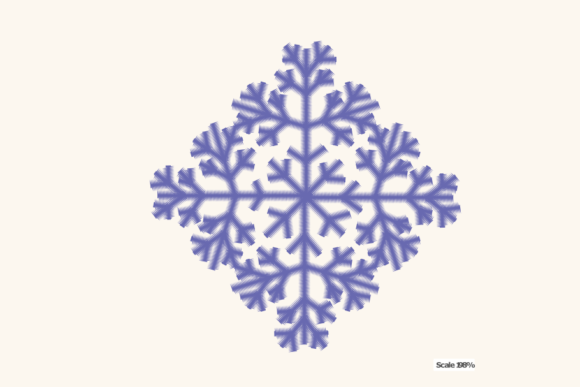
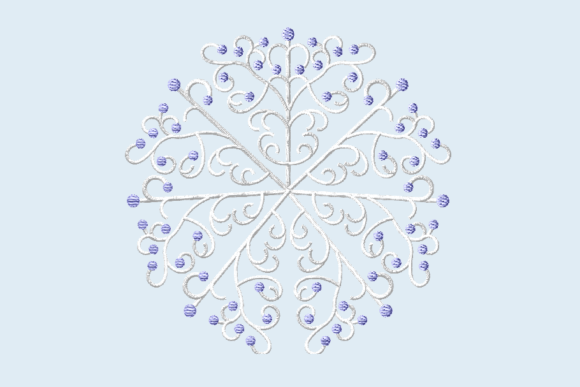
The name Magical Ice Flakes suggests a specific mood, yet the description promises versatility. To me, this reads as a sophisticated, slightly rustic design that could easily fit into a farmhouse aesthetic or a modern boutique vibe. The mention of an "authentic and vintage look" tells me that the lettering likely has character—perhaps some texture or unique serifs that make it feel handcrafted rather than mass-produced.
For a winter-themed collection, this design is a natural fit. It evokes the crispness of snow without being cliché. However, its true value lies in its potential as a year-round product. The elegance allows it to work on formal gift sets, while the casual nature keeps it approachable for everyday accessories. If you are an Etsy seller or a digital seller, this design offers the kind of visual appeal that stops the scroll. It feels decorative and premium, which are two key drivers for higher price points on finished products.
Where Magical Ice Flakes Shines on Products
When I imagine setting up my craft fair booth, I think about where this embroidery file will have the most impact. Not all designs work equally well on every surface. Here is how I see Magical Ice Flakes performing across various craft fair products:
- Tote Bag Design: This is a top contender. A large, centered placement on a canvas tote bag allows the intricate details of the lettering to breathe. Customers love carrying something that looks high-quality, and a vintage-style design adds immediate perceived value.
- Apron Embroidery: For kitchen enthusiasts, placing this design on the bib of a linen apron creates a stunning focal point. The elegance of the text pairs beautifully with the practicality of the garment.
- Tea Towel Embroidery: Textured towels can be tricky, but if the design is balanced correctly, it looks fantastic. The contrast between the fabric weave and the smooth stitches of the lettering makes the design pop.
- Embroidered Patch: Converting this into a patch is a smart move for low-cost impulse buys at a market. The "magical" theme translates well to a detachable badge for jackets or bags.
- Pillow Covers and Market Bags: These items benefit from the design's ability to act as a statement piece. Whether used as a small accent or a large focal design, the vintage aesthetic adds warmth to home decor.
- Caps and Small Pouches: For these smaller items, the design needs to be scaled appropriately. If the lettering remains legible at a smaller size, it becomes a versatile option for quick-turnaround gifts.
In a booth display, Magical Ice Flakes would stand out because it feels intentional. It doesn't look like a clip-art afterthought. It looks like a deliberate choice made by a creative entrepreneur who cares about aesthetics.
Practical Selling and Production Considerations
As a professional, I must evaluate the production viability. Is this design easy to understand at a glance? Does it photograph well for online listings? The answer is likely yes, provided the thread colors are chosen wisely. The vintage look implies that the design might rely on shading or varied stitch directions to create depth. This is excellent for creating a realistic mockup, but it requires attention to detail during the stitching process.
For batch production, consistency is key. If the design is too dense, running multiple units back-to-back can lead to quality issues like puckering or thread breaks. However, if the stitch density is moderate, this design is highly repeatable. It works perfectly for creating a cohesive line of products, ensuring that your brand maintains a consistent visual identity across different SKUs.
When taking photos for your Etsy listings or social media, the lighting will play a huge role. The "magical" aspect of the design should be highlighted with soft, diffused light to show off the texture of the threads. Avoid harsh shadows that might obscure the lettering details. A well-lit photo of a tote bag featuring this design will almost certainly increase buyer engagement.
Crucial Notes for Careful Use
Before you rush into full production, there are several technical aspects to consider. Dense stitch areas can sometimes cause issues, especially on thicker fabrics or textured towels. If the design includes tiny details or small lettering, be cautious when scaling it down for items like patches or cap fronts. On curved surfaces, such as baseball caps, the lettering might distort if the hoop size or stabilizer isn't chosen correctly.
Dark fabric presents a challenge for any light-colored embroidery. You must ensure that the thread colors offer enough contrast so the "vintage" details aren't lost against the background. Similarly, if the design relies on fine lines, testing on scrap fabric is non-negotiable. Sometimes a design that looks perfect on a monitor loses clarity when stitched on a rougher material.
If the original file description does not specify the exact stitch count, file format, or recommended hoop size, you must verify these details before starting. Do not guess. Check the manufacturer's documentation or run a test stitch-out to confirm the stability of the design. Also, always confirm commercial licensing terms before selling finished products derived from this digital embroidery file. Protecting your business means understanding exactly what rights you have to use the design assets.
Designer's Checklist for Success
To ensure Magical Ice Flakes delivers the results you expect, follow these practical steps:
- Test on Scrap Fabric: Always run a test stitch-out on the same type of fabric you plan to sell. This reveals how the design interacts with the material grain.
- Check Thread Contrast: Experiment with different thread colors to see which palette best highlights the vintage aesthetic.
- Review Spacing: Ensure the lettering spacing is correct and that the design fits comfortably within your intended hoop size.
- Inspect Stitch Density: Look for areas that might be too crowded, which could lead to needle deflection or poor coverage.
- Use the Right Stabilizer: Depending on the fabric texture (like a heavy towel or a stretchy knit), the stabilizer choice is critical for a clean finish.
- Create a Real Mockup: Don't rely solely on digital renderings. Create at least one physical sample to use as a display piece at your booth.
- Compare Fabric Colors: Test the design on white, cream, and dark fabrics to see how the "magical" effect changes.
- Confirm Licensing: Verify that your license allows for commercial embroidery sales before listing items on Etsy or selling at markets.
In conclusion, Magical Ice Flakes has the potential to be a star product in your handmade collection. Its blend of casual comfort and elegant sophistication makes it suitable for a wide range of customers, from the serious collector to the casual gift buyer. By paying close attention to production details and showcasing the design effectively, you can turn this machine embroidery design into a profitable line of goods that truly captures the magic of the season.