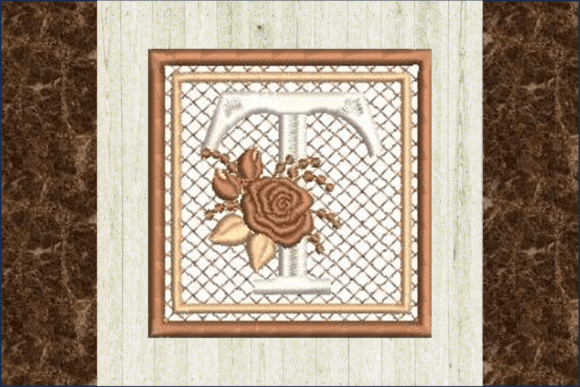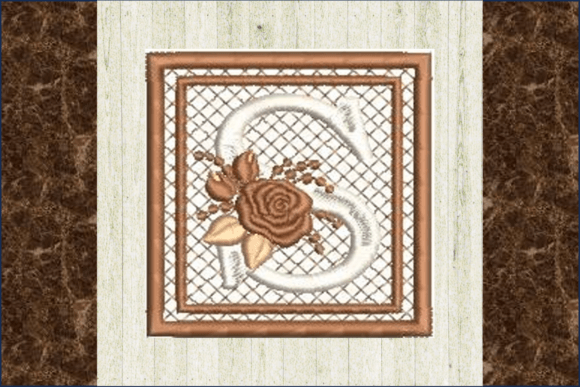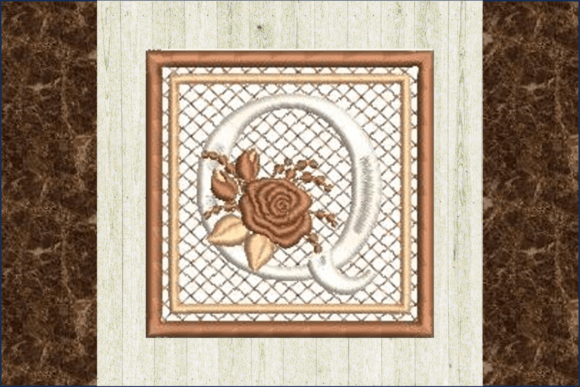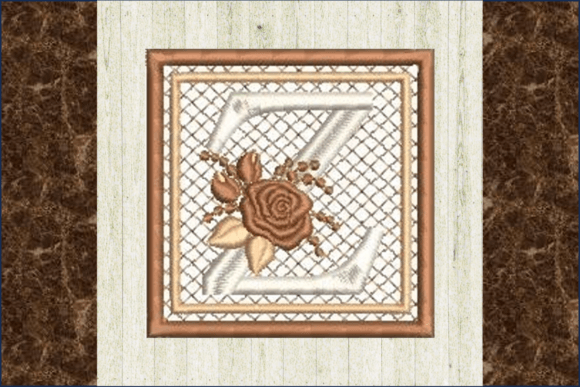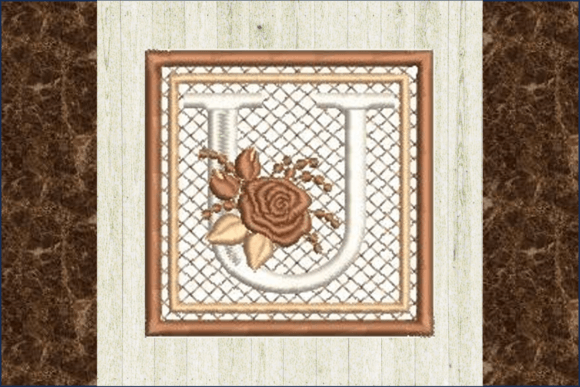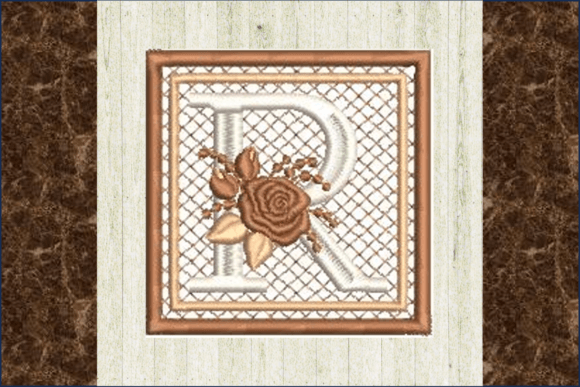
Rose Mini Quilt-R: A Designer's Review for Craft Fairs
Stepping up to a craft fair booth is a unique challenge. You are not just selling a product; you are selling an atmosphere, a story, and the promise of quality in your hands. As an experienced embroidery designer who has spent countless weekends curating displays for handmade markets, I recently examined the Rose Mini Quilt-R design with a critical eye. The goal was simple: determine if this digital asset could stand out among the sea of tote bags, aprons, and kitchen towels that fill our tables.
The description suggests versatility, mentioning bath towels, scarves, and bookshelf decorations. But does it translate well into a physical craft fair product? After running several test stitches and visualizing the final display, here is my professional review of how Rose Mini Quilt-R performs as a centerpiece for your handmade shop.
First Impressions: Visual Appeal and Market Fit
When you first look at a design file like Rose Mini Quilt-R, you need to ask yourself what emotion it evokes. Based on the title and the typical aesthetic of "mini quilt" motifs, this design leans heavily into the farmhouse, rustic, and soft categories. It feels warm and inviting, perfect for the cozy vibe that dominates successful craft fairs.
In a crowded marketplace, customers often make decisions within seconds. A design that looks too modern or minimal might get lost, but a motif with quilting textures and floral elements like roses tends to catch the eye immediately. Rose Mini Quilt-R has the potential to be a focal point because it mimics the texture of traditional patchwork without requiring hours of hand-sewing. This allows you to offer a premium-looking item at a price point that appeals to impulse buyers looking for a quick, thoughtful gift.
Product Versatility: Where Does It Shine?
One of the most important factors for any embroidery file is its adaptability. If a design only works on one specific item, your inventory options become limited. Fortunately, Rose Mini Quilt-R appears to have a broad range of applications that can maximize your booth space.
- Tote Bags and Market Bags: These are staple items for any Etsy seller or boutique maker. Placing Rose Mini Quilt-R on a canvas tote creates a charming accent that elevates a plain bag into a statement piece. It works best as a centered focal design or repeated in a pattern along the side.
- Tea Towel Embroidery: The description explicitly mentions bath towels and kitchen linens. There is no better place for a quilt-inspired rose than on a linen tea towel. The texture of the fabric complements the stitch work, making it feel authentic and high-quality.
- Apron Embroidery: For the home cook or gardener, an apron featuring this design is both functional and decorative. It adds a touch of elegance to a utilitarian garment.
- Bookshelf Decorations and Patches: The mention of "bookshelf decoration" suggests this design could work well as a small framed piece or a decorative pillow cover. Additionally, if digitized correctly, it could serve as an embroidered patch for jackets or caps, expanding your product line beyond just textiles.
- Small Pouches and Scarves: Smaller accessories allow for more intricate details. A scarf monogrammed with a subtle version of Rose Mini Quilt-R offers a delicate, personal touch that customers love.
Production Practicality and Batch Efficiency
For a weekend crafter or a small business owner, time is money. A design that requires constant readjustment or causes frequent thread breaks will eat into your profit margins. When evaluating Rose Mini Quilt-R, we must consider how easy it is to produce in batches.
The design seems to rely on clear lines and defined shapes, which generally translates to good stability during machine stitching. However, the success of your finished product depends heavily on your setup. To ensure consistency across dozens of items, you must verify the hoop size and confirm the stabilizer choice matches the fabric weight. Using the wrong stabilizer can cause puckering, which ruins the "quilted" illusion and makes the item look cheap.
If the design includes dense areas, it may require a longer run time. While this increases labor costs, it also signals value to the customer. A design that takes time to stitch often feels more substantial and worth the price tag. Just ensure that the thread colors chosen provide enough contrast against the fabric so the details remain visible from a distance on your display table.
Photography and Online Listings
In today's market, your printable mockup is just as important as the physical item. Customers browsing Etsy or social media need to see exactly what they are buying. Rose Mini Quilt-R is visually rich, which makes it excellent for photography. The texture of the stitches catches light beautifully, adding depth to photos taken with natural lighting.
When creating listings, focus on close-up shots that highlight the stitch density and the quality of the thread. Show the design on different fabrics to demonstrate its versatility. Whether it is on a crisp white towel or a dark denim apron, the design should pop. This visual proof builds trust and helps justify the price of your handmade product.
Careful Use Notes and Potential Pitfalls
Even the best designs have limitations. Before committing to a full production run, you must perform due diligence on Rose Mini Quilt-R. Here are some critical considerations based on common industry challenges:
- Dense Stitch Areas: Check if the center of the rose contains too many stitches in a small space. Excessive density can cause the fabric to pucker or the needle to break, especially on thinner materials like scarves.
- Small Details: Ensure that tiny lines or text (if present) will remain legible when stitched. On textured fabrics like terry cloth towels, fine details can sometimes disappear into the pile.
- Fabric Texture: Avoid using this design on extremely thick or nubby fabrics unless you use a heavy-duty stabilizer. The design needs a relatively smooth surface to show off its quilting effect clearly.
- Curved Surfaces: If you plan to embroider this on caps, remember that curved surfaces distort flat designs. You may need to adjust the digitization or use a specialized cap hoop to maintain the integrity of the rose shape.
- Dark Fabric: Test the design on dark backgrounds. Some embroidery files lack underlay stitches needed to prevent the design from sinking into dark fabric, which can result in a muddy appearance.
Designer's Checklist for Success
To turn Rose Mini Quilt-R into a best-selling item at your next craft fair, follow these practical steps. Do not skip the testing phase. A single bad batch can damage your reputation as a small shop product creator.
First, test the design on scrap fabric that matches your final product material. This reveals how the stitch density interacts with the specific weave of your cloth. Second, check your thread contrast. High-contrast threads usually photograph better and attract more attention on a busy booth table. Third, confirm your commercial licensing before selling finished goods. Ensure you have the rights to use the digital embroidery file for commercial purposes.
Finally, create at least one real mockup to use in your marketing materials. Nothing sells better than seeing the actual craftsmanship. By carefully planning your production and focusing on the unique charm of Rose Mini Quilt-R, you can create a collection that stands out in the competitive world of handmade crafts.
Whether you are an Etsy seller looking to expand your catalog or a creative entrepreneur preparing for a busy holiday season, this design offers a solid foundation for building a brand that values quality and aesthetic appeal. With the right execution, Rose Mini Quilt-R can transform simple sewing projects into cherished gifts that customers will want to take home.