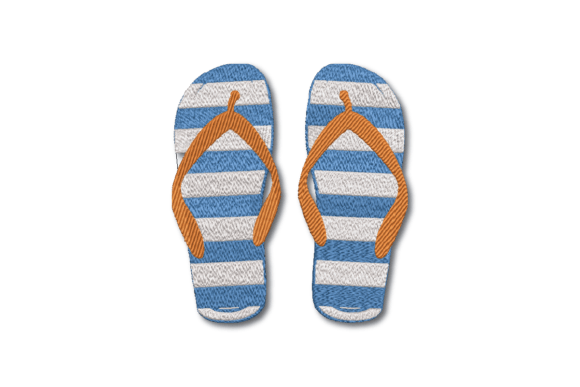
Flip Flops: A Designer's Review for Craft Fairs
As an experienced embroidery designer preparing my booth for a weekend craft fair, I spend hours evaluating every digital asset before it hits the hoop. Today, I am reviewing a design titled Flip Flops, categorized under Freebies and Embroidery. My goal is to determine if this file will stand out on a crowded table of handmade goods or if it belongs in a folder of unused downloads. For Etsy sellers, boutique makers, and creative entrepreneurs, the difference between a best-seller and a leftover scrap often comes down to one crucial factor: how well the design translates from screen to finished product.
The first impression of Flip Flops feels undeniably summery and casual. The title suggests a playful, beachy vibe that could work beautifully for farmhouse decor, modern minimalist aesthetics, or even a fun, rustic festival look. However, without seeing the actual stitch pattern, we must rely on the provided description which states, "Enhance the appearance of your exquisite embroidery creations with this decorating technique." This phrasing implies that Flip Flops is likely intended as a decorative accent rather than a massive, overwhelming focal point. It promises to elevate existing pieces, suggesting it might be perfect for adding a touch of personality to everyday items.
Where Flip Flops Shines on Product Displays
When I imagine setting up my craft fair table, I visualize a variety of textures and materials. Where does Flip Flops fit best? In my experience, small, thematic designs like this excel on utilitarian items that customers want to use immediately. A tote bag design featuring Flip Flops would catch the eye of shoppers looking for summer accessories. The contrast of a colorful sandal motif against a canvas tote creates an instant visual connection to vacation vibes.
I also see great potential for apron embroidery and tea towel embroidery. These kitchen staples are popular at markets, and a playful Flip Flops motif could serve as a charming nod to poolside cooking or backyard BBQs. The design could act as a subtle detail near the pocket of an apron or centered on a linen tea towel. For those selling embroidered patches, Flip Flops offers a distinct shape that could be ironed onto denim jackets or caps, adding a personalized flair to mass-produced garments.
Fabric pouches and pillow covers are another excellent avenue. Small pouches make affordable impulse buys, and a simple Flip Flops graphic can turn a plain drawstring bag into a gift-ready item. Similarly, on a pillow cover, this design could provide a pop of color in a living room setting. The versatility of this machine embroidery design allows it to bridge the gap between functional household goods and decorative art pieces.
Production Realities and Visual Appeal
For any Etsy seller or commercial embroidery business, production efficiency is key. Does Flip Flops feel repeatable for batch production? If the design is clean and has moderate stitch density, it will stitch quickly, allowing you to produce multiple units for your booth. However, I must advise caution regarding the description's warning: "Please note that modifying the file s may impact the final outcome." This suggests that the original artist has optimized the stitches specifically for certain fabric types or thread counts. Resizing or altering the geometry of Flip Flops could cause puckering or loss of detail.
Photography plays a huge role in sales. When creating printable mockups for your Etsy listings, ensure that the Flip Flops design stands out clearly against the background. Light-colored fabrics usually show off thread colors best, but dark fabric requires high-contrast thread choices to make the design pop. If the design features tiny details or small lettering, it might get lost in a photo taken from a distance. At a craft fair, customers need to see the quality of the stitching from a few feet away. A large, bold version of Flip Flops works better for booth samples where the texture of the stitch density can be appreciated up close.
Practical Considerations for the Maker
Before running a full production run, there are several technical checks every professional maker should perform. First, test the design on scrap fabric. This is non-negotiable. You need to verify how the Flip Flops design behaves on different materials, such as thick towels, textured fabrics, or curved cap surfaces. Curved surfaces like baseball caps can distort small designs, so check if the spacing accommodates the curvature of the hat brim.
Stabilizer selection is equally critical. Dense stitch areas require sturdy backing to prevent the fabric from pulling. If you are using a lightweight fabric for a market bag, ensure your stabilizer matches the weight of the material. Always confirm the hoop size before starting; if the design is larger than your standard hoop, you may need to reposition it, which can leave visible marks on the finished product. Additionally, review the thread colors included in the file. Do they complement the base fabric, or do they clash? The right thread colors can make a simple design look premium.
Create at least one real mockup to compare fabric colors. A design that looks vibrant on a computer screen might appear dull on a beige cotton tote. Inspect the stitch density closely. If the Flip Flops design has too many stitches in a small area, it might become stiff and uncomfortable on a wearable item like a cap or a shirt. Conversely, if it is too sparse, it might look unfinished. The balance between aesthetic appeal and physical comfort determines the value of the finished product.
Final Verdict for Market Sellers
In conclusion, Flip Flops appears to be a versatile addition to any digital embroidery file collection, particularly for seasonal events or summer-themed markets. Its potential to enhance the appearance of exquisite embroidery creations makes it a strong candidate for small shop products. Whether you are creating a unique gift set, updating your online inventory, or stocking a boutique, this design offers a fun way to engage buyers.
Remember to check the specific licensing terms before selling finished products made with this design. While the category lists it under Freebies, commercial usage rights vary by creator. Confirm that you have permission to sell items produced from this digital embroidery file. By following these guidelines—testing on scraps, checking thread contrast, and respecting the original file integrity—you can turn Flip Flops into a standout piece that drives sales and builds your brand reputation. Happy stitching!