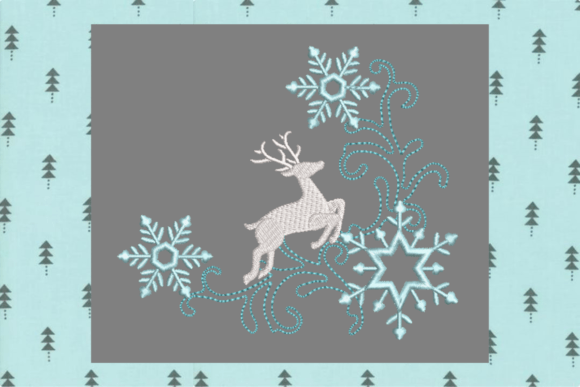
Two Blue Deer-1463B Review for Craft Fairs
As an embroidery designer who spends weekends setting up booths and weekdays refining stitch patterns, I know that the difference between a product that sits on a table and one that flies off it often comes down to design selection. When I first laid eyes on Two Blue Deer-1463B, I immediately started visualizing how it would perform in a real-world market setting. This isn't just about the aesthetic; it is about the practical application of a machine embroidery design that can elevate your handmade inventory.
The title suggests a whimsical yet elegant vibe, and the description confirms its versatility as a compliment for Christmas Holiday or New Year s dinner linens. But does it translate well beyond the kitchen? In this review, I am breaking down exactly where Two Blue Deer-1463B shines when you are preparing for a craft fair, running an Etsy shop, or building a boutique brand.
First Impressions: The Vibe Check
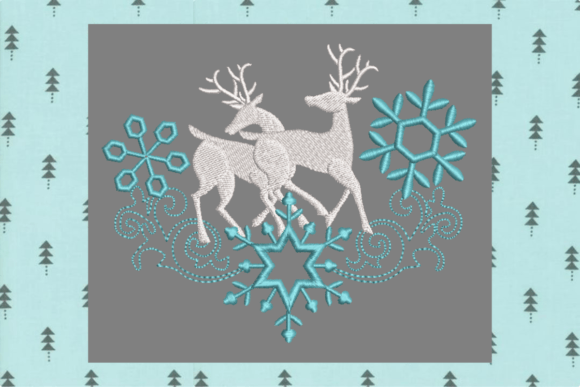
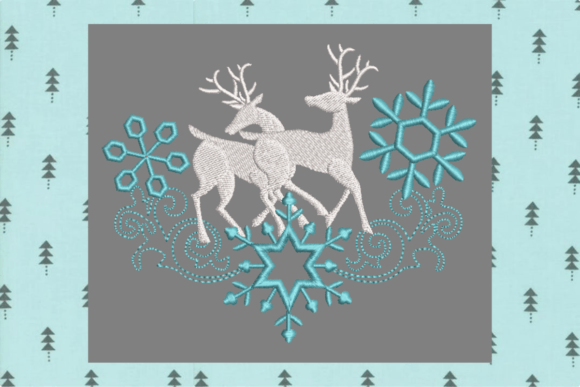
When evaluating a new file, my first step is always to determine the mood. Based on the name and the suggested uses, Two Blue Deer-1463B feels distinctly festive but grounded in a rustic charm. It avoids being overly cluttered, which is crucial for modern buyers who appreciate farmhouse style without the chaos. The blue color palette implies a cool, wintery tone that pairs perfectly with holiday themes, yet it remains sophisticated enough for general winter decor.
In a crowded craft fair booth, customers scan quickly. A design needs to catch the eye from a distance. If Two Blue Deer-1463B features clean lines and distinct shapes, it will stand out against textured fabrics like linen or denim. It strikes a balance between cute and premium, making it an ideal choice for small shop products that aim to look professionally curated rather than mass-produced.
Product Potential: Where It Sells Best
The description explicitly mentions tablecloths, napkins, and aprons, but as a seller, I see much more potential here. Let's look at how this design performs across different categories of craft fair product.
- Tote Bag Design: Embroidered tote bags are a staple at every market. Placing Two Blue Deer-1463B on a canvas bag creates an instant statement piece. The deer motif adds a touch of nature-inspired elegance that appeals to eco-conscious shoppers.
- Apron Embroidery: For the home cook or baker, an apron featuring this design is a high-value gift item. It transforms a functional kitchen tool into a decorative centerpiece, perfect for the holiday season.
- Tea Towel Embroidery: This is perhaps the most logical fit. Linen or cotton tea towels provide a smooth surface that allows the details of the design to pop. These are low-cost items that encourage impulse buys at a booth.
- Embellished Patches: You could cut out the central motif and create a detachable embroidered patch. This adds a layer of interactivity for customers who love customizing their gear.
- Pillow Covers: Throw pillows are excellent for displaying larger designs. If the file size is substantial, placing Two Blue Deer-1463B on a velvet or faux-fur pillow cover could create a luxurious look.
- Fabric Pouches: Small zippered pouches make great stocking stuffers. A smaller version of the design here works wonders for holding jewelry or small gifts.
For digital sellers, this design serves as a powerful asset for creating printable mockups. High-quality images of these items listed on Etsy can drive traffic even before you sew a single stitch.
Production Realities and Selling Strategy
Moving from the digital file to a finished product requires careful planning. When I evaluate a design for batch production, I look for clarity and repeatability. Does Two Blue Deer-1463B maintain its integrity when stitched repeatedly? If the design is too complex, it might lose definition during long production runs.
Photography is another critical factor. A successful Etsy seller knows that the photo sells the product. A design with strong contrast and clear focal points photographs beautifully. If the blue threads blend too much with the background fabric, the image will look muddy. However, if the design offers good separation between the elements, it will look crisp in online listings and social media posts.
From a selling perspective, this design feels repeatable. Customers love seeing consistency in a collection. Imagine a set of matching napkins and a runner all featuring Two Blue Deer-1463B. This creates a cohesive brand identity that encourages buyers to purchase multiple items rather than just one.
Careful Use Notes: What to Watch Out For
Even the best designs have limitations. As an experienced crafter, I need to warn you about potential pitfalls when working with specific materials.
If the design contains dense stitch areas, be cautious when embroidering on thick fabrics like heavy canvas or terry cloth towels. Without proper stabilizer, the fabric may pucker, ruining the visual appeal. Similarly, if there are tiny details or small lettering within the file, they may become illegible if the design is scaled down too much for a cap or a small pouch.
Curved surfaces like caps present another challenge. While Two Blue Deer-1463B might look flat and perfect on a table runner, the curvature of a hat can distort the proportions if not hooped correctly. Always test on a scrap piece of the actual material before committing to your final product. Dark fabrics can also hide thread colors; ensure the thread contrast is sufficient to make the deer visible against navy or black backgrounds.
Designer's Checklist for Success
To ensure your finished product meets professional standards, follow these essential steps before heading to your next market:
- Test on Scrap Fabric: Never start with your final customer item. Run a test on a scrap to check for puckering or thread breaks.
- Check Thread Contrast: Verify that the thread colors chosen for the design stand out against your intended fabric color.
- Review Spacing and Hoop Size: Ensure the design fits comfortably within your hoop dimensions without cutting off important elements.
- Inspect Stitch Density: Look closely at the density settings. Too much density can make the fabric stiff; too little can leave gaps in the coverage.
- Use the Right Stabilizer: Match your stabilizer type (cut-away, tear-away, or sticky) to the weight and stretch of your fabric texture.
- Create Real Mockups: Take photos of the actual embroidered items, not just digital renders, to show customers the true quality.
- Confirm Commercial Licensing: Before selling any commercial embroidery goods, double-check the license terms associated with Two Blue Deer-1463B to ensure you are legally allowed to sell the finished products.
Ultimately, Two Blue Deer-1463B has the potential to be a standout addition to your inventory. Whether you are crafting for a weekend fair or managing a full-time online store, the key is to treat the design with respect and understanding. By focusing on quality execution and strategic product placement, you can turn this simple file into a profitable line of handmade goods.
Remember, the goal is to create items that people want to hold, touch, and display in their own homes. With the right preparation, Two Blue Deer-1463B can help you achieve that connection with your customers, driving sales and building a loyal following for your brand.