Cute Lemon Embroidery Design Review
As an experienced embroidery designer who frequently navigates the world of digital embroidery file assets for both personal commissions and small business ventures, I am always looking for designs that offer more than just a simple graphic. When I first encountered the Cute Lemon design on Creative Fabrica, my initial reaction was one of genuine delight. It is not merely a geometric shape or a generic fruit icon; it is a character with personality. In the vast sea of food-themed designs, this piece stands out because it feels ready to be worn, stitched, and loved.
I recently evaluated this design with a specific real-world project in mind: creating a line of summer-themed kitchen towels and baby blankets for an upcoming craft fair. The goal was to find something that would appeal to buyers looking for handmade gifts but also hold up under the scrutiny of a professional machine embroidery setup. After running several tests and analyzing the stitch structure, here is my honest review of how Cute Lemon performs in actual production.
First Impressions and Visual Appeal
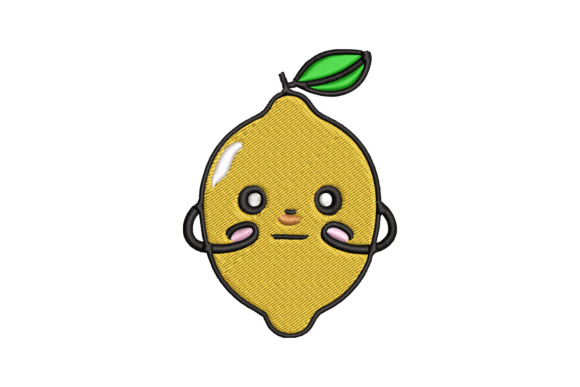
The visual mood of Cute Lemon is bright, cheerful, and undeniably adorable. It captures the essence of a summer day instantly. For designers selling on platforms like Etsy or at boutique markets, the ability to convey a specific mood through a single image is crucial. This design does exactly that. It has a playful energy that translates well across various mediums, from custom apparel to home decor.
The detail level is impressive without being overwhelming. The character features expressive eyes and a friendly smile that are rendered effectively within the constraints of machine embroidery. The lines are clean, suggesting that the satin stitches will lay flat and create a smooth finish. This is vital for products like tote bag designs or sweatshirt embroidery, where the viewer expects a crisp, high-quality look. It is the kind of design that naturally fits into a nursery decor collection or a springtime gift set.
Performance in Real Embroidery Work
When moving from screen to fabric, the true test begins. I selected a few different fabrics to see how Cute Lemon would handle them. On a standard cotton poplin shirt, the design popped beautifully. The contrast between the yellow fill and the white background of the lemon made the colors sing. However, when testing on a dark fabric, I realized that the importance of thread color selection cannot be overstated. A proper underlay or a contrasting background stitch might be necessary to ensure the details remain visible against darker materials.
The design is versatile enough to work as an embroidered patch if you add a border or a backing. I also considered using it for kitchen towels and aprons. The size of the design allows it to sit perfectly on the corner of a towel or the chest of an apron without looking lost or too crowded. For commercial embroidery projects, this versatility is a huge asset. It allows small business owners to create cohesive product lines, such as matching sets of pillow covers and tablecloths.
One aspect that stood out during my testing was the stitch density. The fill areas are balanced, meaning the design should not feel stiff or overly thick after stitching. This is particularly important for items like baby blankets or clothing pieces like shirts or dresses, where comfort against the skin is a priority. If the stitch density were too high, the fabric might pucker or become rigid, which would detract from the quality of the finished product.
Practical Considerations for Stitching
While the design is charming, there are practical factors every embroiderer must consider before committing to a large production run. First, always check the recommended hoop size. While the design appears compact, ensuring it fits within your machine's capabilities is essential for maintaining tension and accuracy.
- Test on Scrap Fabric: Before stitching on your final customer order, always run a test on a scrap piece of the same material. This helps you gauge how the fabric reacts to the stabilizer and the needle.
- Check Thread Color Contrast: The brightness of the lemon relies heavily on the thread choice. Ensure your threads have good saturation so the design remains vibrant even after washing.
- Review Stitch Density: Look closely at the dense areas. If you notice any gaps or excessive buildup, you may need to adjust the density settings in your digitizing software or choose a different stabilizer.
- Confirm File Details: Always verify the file formats and compatibility on the Creative Fabrica product page before purchasing. Ensuring your machine can read the file is the first step to a successful project.
For those working with textured or stretchy fabrics, additional care is required. Using the proper stabilizer is non-negotiable. A cut-away stabilizer often provides the best support for stretchy materials like sweatshirts or caps, preventing the design from distorting over time. If you are planning to use this design for apparel decorators working on hats or curved surfaces, pay close attention to how the design curves. Sometimes, a design that looks perfect on a flat sample may need slight adjustments when placed on a curved cap surface.
Impact on Product Value and Brand Consistency
In the world of handmade goods, visual appeal directly correlates with perceived value. A well-executed Cute Lemon design elevates a simple tote bag or a plain pillow cover into a premium item. Customers are willing to pay more for products that show attention to detail and craftsmanship. The charm of this design adds a layer of emotional connection, making it an excellent choice for personalized gifts or seasonal items.
For sellers creating printable mockups or listing items on online marketplaces, this design offers strong potential. It is visually engaging in photos, which can increase click-through rates and customer engagement. When you present a finished product that features a cute, well-stitched character, it communicates professionalism and trustworthiness. It suggests that the maker cares about the quality of their work, which is a key factor in building a loyal customer base.
However, consistency is key. If you plan to use Cute Lemon as part of a broader brand identity, ensure that the style matches your other offerings. Whether you are creating a full line of design assets or a seasonal collection, maintaining a cohesive aesthetic helps customers recognize your brand instantly.
Final Thoughts on Usability
Overall, Cute Lemon is a standout addition to any library of machine embroidery design files. Its combination of cute aesthetics and practical stitch structure makes it suitable for a wide range of applications, from handmade product creation to commercial embroidery orders. It is a design that invites creativity, allowing you to experiment with different fabrics, backgrounds, and finishing techniques.
Before you download and start stitching, remember to review the specific licensing terms on the Creative Fabrica product page. Understanding what you can and cannot do with the design is crucial for protecting your business. Once you have confirmed the details, this design is ready to help you create beautiful, marketable items that bring joy to your customers. Whether you are decorating a kitchen towel, adding a touch of fun to a dress, or crafting a unique embroidery file project for a friend, Cute Lemon delivers a delightful result that is sure to impress.