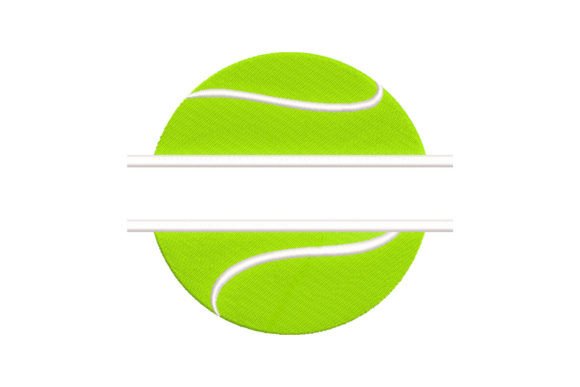
Split Tennis Ball: A Boutique Sweatshirt Design Review
As an embroidery designer who has spent years refining the art of digitizing for apparel, I recently had the opportunity to evaluate a design called Split Tennis Ball. My goal was to determine its viability for a limited-edition sweatshirt drop intended for a small boutique brand. When you are running a handmade business or selling on Etsy, every design asset must do more than just look pretty; it needs to elevate your brand identity and justify a premium price point. After mentally placing this motif on various fabric textures and considering the nuances of machine embroidery, I have some strong thoughts on how this design performs in a real-world commercial setting.
First Impressions: Mood and Visual Impact
The title alone suggests a playful yet modern aesthetic. The description notes that the Split Tennis Ball Embroidery Design is a visually engaging and dynamic motif combining elements of a tennis ball with a creative split or layered effect. In my experience, "dynamic" is a key word when evaluating designs for oversized hoodies or cozy seasonal apparel. It implies movement and depth, which is exactly what we want to avoid a flat, generic look.
When I first visualized this as a finished product, the mood felt distinctly casual but with a touch of bold sophistication. The concept of a "split" or layered effect suggests that the design could offer excellent dimensionality through thread color contrast. If executed correctly, the layers could create a subtle 3D appearance that catches the light differently depending on the angle of the viewer. This is crucial for lifestyle product photography and mockup previews, where the goal is to make the garment pop on a digital screen before a customer ever touches the physical item.
Fabric Pairing and Color Strategy
One of the most critical decisions in sweatshirt embroidery is selecting the right base fabric to complement the design. For a boutique brand aiming for a versatile collection, I see the Split Tennis Ball working exceptionally well on neutral tones like heather grey, oatmeal, or soft beige. These backgrounds allow the design to stand out without competing for attention, creating a clean, minimal look that appeals to a wide audience.
However, the potential for drama exists on darker fabrics. On a deep navy or charcoal hoodie, using bright neon yellow or crisp white threads could transform the motif into a statement piece. The split nature of the design might benefit from a contrasting underlay thread to enhance the separation between layers. Conversely, for a softer, more feminine vibe, pastel-colored sweatshirts paired with tonal thread colors would yield a sophisticated, understated result. This versatility makes it an ideal choice for hoodie design projects targeting different demographics within a single shop.
Placement Options for Maximum Appeal
In the world of custom apparel, placement defines the silhouette. While the chest is the traditional spot for branding, the unique geometry of the Split Tennis Ball invites experimentation. Placing a smaller version on the sleeve accent can add a subtle detail that discerning customers love to discover. For a more impactful look, a larger scale application on the back could serve as a focal point for the entire collection.
This design also lends itself beautifully to boutique merchandise beyond just clothing. Imagine it embroidered on tote bags or caps sold alongside the apparel. The flexibility of the motif allows it to function as both a primary logo and a decorative element, enhancing the overall brand identity across multiple touchpoints.
Technical Considerations for Production
Before committing to a production run, any serious embroidery file evaluation must address technical constraints. The success of the Split Tennis Ball relies heavily on stitch density and the quality of the digitization. Because the design features a split or layered effect, the digitizer must ensure that the stitches are not too dense, which could cause puckering on thick sweatshirt fleece, nor too sparse, which would lose the definition of the split.
Fabric texture plays a massive role here. Cotton-polyester blends are standard for high-quality hoodies, but they require specific stabilizer choices to maintain shape. A cut-away stabilizer is often necessary for heavy garments to prevent the design from distorting over time. Additionally, hoop placement must be precise. If the design includes fine details, the hoop size selected must accommodate the entire motif without cutting off edges or forcing the fabric into an unnatural tension.
Readability at small sizes is another concern. If the client intends to use this design for smaller items like hats or pocket placements, the intricate layering might become muddy. It is essential to check the specific hoop size and stitch count requirements provided by the file creator. Without these exact specifications, there is a risk that the design will not translate well from the digital preview to the physical garment.
Impact on Brand Value and Customer Trust
For an Etsy seller or a small shop product owner, the perceived value of the item is directly linked to the quality of the decoration. A poorly digitized sports motif can look cheap and mass-produced, whereas a well-executed commercial embroidery project signals craftsmanship. The Split Tennis Ball, with its creative twist on a classic icon, has the potential to become a signature element for a brand.
When customers see a unique design that feels intentional and high-quality, their trust in the brand increases. They are more likely to engage with the content, share images on social media, and return for future purchases. The design acts as a conversation starter, reinforcing the idea that this is a handmade product created with care. In a crowded market, this level of detail is what separates a generic store from a beloved boutique.
Ensuring Longevity and Durability
Finally, durability cannot be overlooked. Customers expect their apparel to withstand washing and wear. The finished product must retain its crisp lines and vibrant colors after multiple cycles. This requires selecting the right thread colors that resist fading and ensuring the stabilizer provides adequate support. If the design feels strong enough for commercial use, it will hold up against the rigors of daily life, maintaining the brand's reputation for quality.
Before proceeding with any large-scale order, I strongly advise verifying the technical specifications of the digital embroidery file. Check the recommended thread colors, verify the stitch count, and confirm the file format compatibility with your embroidery machines. Once these details are confirmed, the Split Tennis Ball offers a fantastic opportunity to create a standout collection that balances playfulness with professional polish.
Ultimately, this design represents more than just a sports icon; it is a tool for creative expression. Whether used for a cozy winter drop or a spring activewear line, the Split Tennis Ball brings a fresh perspective to the table. For designers and entrepreneurs looking to expand their catalog with unique, high-impact assets, this is a compelling option that deserves a place in your next project.