Sketch Style Hello Fall Pumpkin Review
Stepping into a weekend craft fair booth, the first thing that catches an eye is often the texture and the light. As an experienced embroidery designer who has spent countless hours turning digital files into tangible products for handmade markets, I know that the difference between a design that sits on a shelf and one that sells out lies in its execution and visual appeal. Today, I am reviewing the Sketch Style Hello Fall Pumpkin, a machine embroidery design specifically crafted to bring a touch of autumn warmth to home decor projects. This review comes from the perspective of a creator preparing a display table filled with tote bags, aprons, tea towels, patches, caps, small pouches, pillow covers, and giftable handmade items.
The First Impression: Soft, Rustic, and Inviting
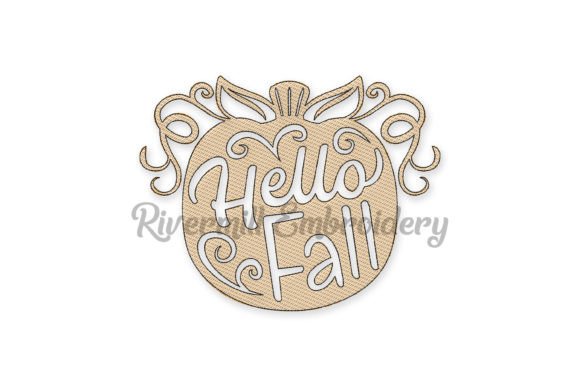
When you first look at the title and description of the Sketch Style Hello Fall Pumpkin, the immediate feeling is one of gentle nostalgia rather than bold, graphic intensity. The description notes that this is a light fill stitch made to not completely cover the background fabric. In the world of commercial embroidery, this is a crucial detail. Many designs aim to obliterate the fabric underneath with dense stitching, but this approach allows the texture of the material to shine through.
This creates a soft, rustic, and slightly farmhouse aesthetic that fits perfectly with current trends in boutique maker goods. It feels modern yet timeless, avoiding the overly stiff or plastic look that can sometimes plague mass-produced embroidered items. For a craft fair seller, this "sketch" quality suggests a hand-drawn charm that resonates deeply with customers looking for authentic handmade product experiences. It promises a finished product that looks high-quality without being heavy or rigid.
Product Performance Across Key Categories
Imagine setting up your booth display. You have a variety of items ranging from kitchen essentials to wearable accessories. Where does the Sketch Style Hello Fall Pumpkin fit best? Based on its light fill nature, it excels in specific categories where subtlety is key.
- Tote Bag Design: This design shines on canvas tote bags. Because it uses less thread density, it won't add unnecessary weight to the bag's handles, making it comfortable to carry while still serving as a beautiful focal point. The partial coverage allows the weave of the canvas to peek through, adding depth to the image.
- Apron Embroidery: For those creating kitchen-focused gifts, this pumpkin works wonderfully on linen or cotton aprons. The light fill stitches prevent the fabric from becoming too stiff around the chest area, ensuring the wearer remains comfortable during cooking or crafting.
- Tea Towel Embroidery: Tea towels are a staple for fall craft fairs. The sketch style complements the natural fibers of flour sack towels perfectly. The design acts as a decorative accent rather than a heavy block of color, making it ideal for hanging displays on hooks.
- Embroidered Patch: If you are producing iron-on patches, the openwork nature of the light fill stitch makes for a softer, more flexible patch that lays flat against clothing without bunching.
- Pillow Covers: On larger surfaces like pillow covers, this design allows for a relaxed, bohemian vibe. It photographs exceptionally well for online listings, capturing the interplay between thread and fabric texture.
Selling Points and Production Practicality
For the Etsy seller or the digital embroidery file creator, understanding how a design performs in production is vital. The Sketch Style Hello Fall Pumpkin offers several advantages for batch production. Its simplicity means it likely requires fewer thread changes than intricate, multi-colored detailed designs, which speeds up the hooping and stitching process. This efficiency is essential when you are trying to produce enough inventory for a busy holiday market.
Visually, the design is easy to understand at a glance. Customers browsing a crowded craft fair table often make split-second decisions. A clear, recognizable pumpkin motif with a friendly "Hello Fall" message grabs attention immediately. Furthermore, because the design relies on negative space (the uncovered fabric), it tends to photograph very well for printable mockups. The contrast between the thread and the fabric creates a dynamic image that stands out in social media feeds and online shop galleries.
However, sellers must consider whether this design works as a small accent or a large focal piece. Given the "light fill" description, it may lose some definition if scaled down too small. It is best utilized as a medium-to-large focal design on items like aprons or tote bags, where there is ample room for the texture to breathe. For smaller items like cap fronts or tiny pouches, caution is advised to ensure the details remain crisp.
Careful-Use Notes for the Creative Entrepreneur
While this design offers a premium feel, there are practical considerations every embroidery business owner must address before hitting the production line. The description mentions a light fill stitch, which implies a lower stitch density. While this is great for fabric drape, it requires careful handling of the materials.
If you are working with thick fabrics or highly textured towels, the light fill might not provide enough coverage to hide the underlying weave, potentially resulting in a muddy appearance if the colors aren't chosen carefully. Similarly, on dark fabric, a light fill stitch might struggle to show up unless you use a high-contrast thread color or a backing layer that enhances opacity. Always test the design on scrap fabric first to see how the stitches interact with your specific material choice.
Another critical factor is the stability of the hoop. Designs with light fills can sometimes pull the fabric if the stabilizer isn't adequate. Ensure you are using the right stabilizer for the project—cut-away for stretchy knits or heavy-duty tear-away for stable wovens—to maintain the integrity of the hoop size and prevent puckering. Also, inspect the stitch density closely; if the fill is too sparse, the design might look unfinished on certain backgrounds.
Designer Notes for Success
To turn the Sketch Style Hello Fall Pumpkin into a top-selling item, follow these professional guidelines. First, create at least one real mockup. Digital images are helpful, but nothing beats seeing the physical object under the bright lights of a craft fair booth. Compare different fabric colors to find the perfect pairing; natural tones like cream, beige, or denim often enhance the sketch style, while bold colors can create a modern pop.
Review the spacing of the elements within the file. Does the text sit comfortably near the pumpkin, or does it feel cramped? Proper spacing ensures the design reads clearly even from a distance. Check your thread colors to ensure they offer good visibility without clashing. Finally, confirm your commercial licensing terms before selling finished products. Understanding the rights associated with your digital embroidery file protects your brand and ensures you are compliant with industry standards.
In conclusion, the Sketch Style Hello Fall Pumpkin is a versatile addition to any collection of autumn design assets. Its unique ability to let the fabric texture show through gives it a sophisticated, artisanal edge that separates it from generic, heavy-stitch designs. Whether you are a boutique maker, a creative entrepreneur, or a seasoned Etsy seller, this design has the potential to become a standout piece in your lineup of commercial embroidery products. By paying attention to fabric selection, stabilizer usage, and production testing, you can transform this simple pumpkin sketch into a beloved favorite for craft fair shoppers everywhere.