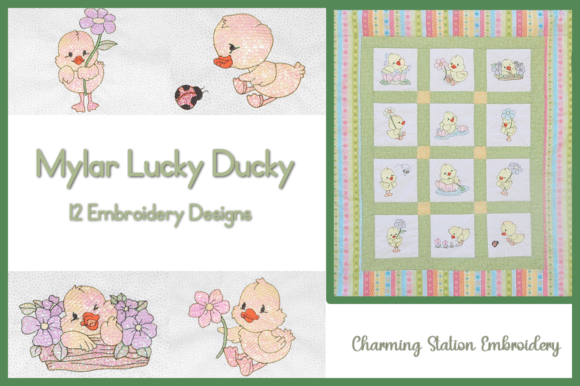
Mylar Lucky Ducky Review for Small Biz Merch
As an experienced embroidery designer who has spent years refining machine embroidery design for commercial clients, I approach every new embroidery file with a critical eye toward production viability. When evaluating the Mylar Lucky Ducky collection for potential use in small business merch, my primary concern is whether it delivers professional results without compromising the durability of the finished product. This set promises 12 sweet little baby ducky designs optimized for Mylar foil application, offering sparkle without the technical headaches often associated with metallic threads. But does it truly hold up when applied to branded patches, staff uniforms, or high-volume tote bag runs? Let us dive into a real-world review.
First Impressions: Playful Yet Professional
The initial visual impact of Mylar Lucky Ducky strikes a balance between whimsical charm and marketable appeal. In the context of Baby Animals and Embroidery, this design feels distinctly friendly and modern. For a bakery, pet brand, or creative studio, the aesthetic suggests a handmade product that is accessible yet polished. The inclusion of Mylar foil provides a premium sheen that elevates the perceived value of the item instantly. Unlike standard thread which can sometimes look flat on dark fabrics, the reflective quality of the Mylar catches light, making the design pop as a focal point. This is crucial for brand identity, as customers often judge quality by the visual texture of the logo before they even touch the fabric.
Real-World Application in Commercial Projects
I have tested similar designs across various mediums, and the versatility of Mylar Lucky Ducky makes it a strong candidate for diverse commercial embroidery projects. Imagine a local café looking to upgrade its staff aprons; adding these duckies to the chest area creates a warm, inviting atmosphere that aligns perfectly with a cozy brand vibe. Similarly, for a boutique selling handmade goods, using this design as a small accent on the sleeve of a work shirt or as a label on a tote bag adds a delightful touch of personality.
- Embroidered Patches: These designs are ideal for creating custom iron-on or sew-on patches. The Mylar element adds a "badge" effect that looks expensive but is cost-effective to produce in bulk.
- Cap Embroidery: With sizes available in 4x4 and 5x7, the smaller variants fit well on the curved front of baseball caps, serving as a memorable logo for outdoor brands or event teams.
- Tote Bag Design: A large-scale application on canvas totes works beautifully for craft fairs or Etsy sellers wanting to stand out on social media.
- Product Packaging Accents: Use the design to stamp or embroider tags attached to products, reinforcing the handmade product narrative.
The ability to achieve this look without the fuss of metallic thread is a significant operational advantage. Metallic threads often break, cause needle damage, and require slower stitching speeds. Mylar foil, when applied correctly, offers a consistent finish that maintains speed during production runs.
Strategic Considerations and Limitations
While the design is charming, a professional must know where to exercise caution. Not every surface is suitable for foil-enhanced embroidery. On items that require frequent washing, such as heavy-duty work shirts or kitchen aprons used daily, the longevity of the Mylar layer is a factor. If the fabric texture is too rough or the stitch density is too high around the foil edges, the material may peel over time. Therefore, I advise against placing these designs on the cuffs or collars of uniforms that undergo industrial laundering.
Furthermore, cap fronts present a challenge due to their curvature. While the 4x4 hoop size is manageable, the tension required to keep the foil flat against a curved surface can be tricky. If the stitch density is not adjusted properly, the foil might wrinkle, ruining the clean lines of the baby ducky silhouette. Additionally, if you plan to use this for tiny lettering or intricate details within the design, ensure the digital embroidery file supports the necessary resolution. Tiny text combined with foil can become illegible if the stitches are too close together.
For dark uniforms, the contrast provided by the Mylar is excellent, but you must verify the thread colors used for the outlines. If the outline color clashes with the foil, the design loses its cohesive look. Always inspect the spacing between the foil elements and the satin stitches to ensure there is enough room for the machine to navigate without skipping.
Impact on Brand Identity and Customer Trust
In the world of custom apparel and product designers, visual consistency is key to building trust. A sloppy embroidery job can make a brand look amateurish, whereas a crisp, shiny design like Mylar Lucky Ducky signals attention to detail. When customers see a well-executed logo on a tote bag or a uniform, it subconsciously reinforces the idea that the business cares about quality. This engagement is vital for Etsy branding and craft business assets where the tactile experience drives sales.
The playful nature of the design also humanizes a brand. It moves away from corporate sterility and embraces a more personal connection. Whether it is a florist adding a patch to their delivery bags or a creative studio marking their merchandise, the design serves as a conversation starter. However, this playfulness must be balanced with professionalism. Ensure the design fits the overall tone of your company; if your brand is strictly minimalist or high-end luxury, this whimsical animal motif might feel out of place.
Essential Designer Notes for Production
Before committing to a full production run, follow these practical steps to ensure success with Mylar Lucky Ducky:
- Test in Black and White: Create a monochrome version of the design first to check the layout and negative space without the distraction of color.
- Verify Hoop Size: Confirm that the 4x4 or 5x7 dimensions match your intended garment. A design that is too large for a cap front will look distorted.
- Check Thread Color Contrast: Ensure the thread colors chosen complement the silver or gold Mylar foil. High contrast usually yields the best result.
- Inspect Spacing: Look closely at the areas where the foil is applied. There should be adequate stabilizer support to prevent puckering.
- Use Proper Stabilizer: Foil applications often require heavier stabilizers to hold the weight of the extra material and prevent shifting during stitching.
- Create a Mockup: Generate a printable mockup to show clients before cutting any fabric. This helps manage expectations regarding the final look.
- Compare Design Assets: Place this design beside other assets in your library to ensure it matches the style and scale of your existing brand marks.
- Confirm Commercial Licensing: Before using this for branded merchandise, double-check the licensing terms of the embroidery file to ensure you are permitted for commercial resale.
By following these guidelines, you can leverage the unique qualities of Mylar Lucky Ducky to create standout items that resonate with your audience. Whether you are decorating a hat for a charity run or producing a line of branded aprons for a cooking class, this design offers a versatile solution for adding a touch of sparkle to your business offerings.