Little Baby Feet: A Seasonal Embroidery Gem
As an experienced embroidery designer preparing my seasonal collection for the upcoming holiday rush, I am constantly scanning digital marketplaces for designs that can transform simple items into cherished heirlooms. Recently, I came across a file titled Little Baby Feet, and it immediately caught my eye as a potential cornerstone for my holiday product line. This design fits perfectly into the narrative of family, new beginnings, and the cozy spirit that defines the winter season. For those of us running Etsy shops or small craft businesses, finding a versatile embroidery file that balances delicate aesthetics with commercial viability is a game-changer.
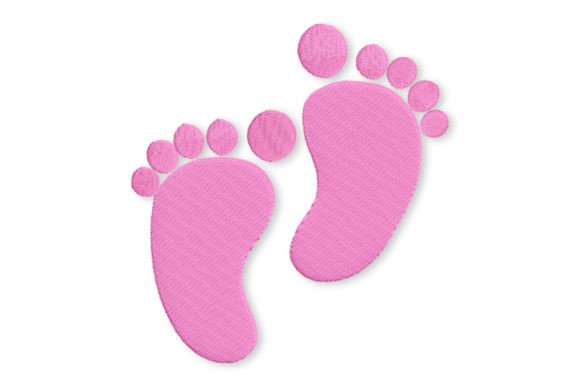
The first impression of Little Baby Feet is one of pure warmth and nostalgia. The description highlights a charming and delicate style, often featuring stylized or realistic baby feet in a soft pink color scheme. When you look at the visual mood, it screams "cozy" and "playful." It isn't just a graphic; it evokes an emotional response from anyone who sees it. In the context of holiday shopping, where buyers are looking for gifts that feel personal and heartfelt, this design offers exactly that touch of sentimentality. It feels festive without being cluttered, making it ideal for creating limited-time apparel or home decor items that stand out on a crowded marketplace.
Integrating Little Baby Feet into Holiday Collections
When planning a seasonal shop collection, versatility is key. I envision Little Baby Feet being used across a wide array of products to maximize its appeal. Imagine a matching set for a new grandparent or parent: a sweatshirt embroidered with the design on the chest, paired with a tote bag design featuring the same motif on the side pocket. The soft pink tones work beautifully against neutral fabrics like cream, grey, or denim, which are staples in modern holiday fashion.
For home decor enthusiasts, this design is perfect for kitchen towel embroidery. A simple white tea towel adorned with these delicate feet adds a whimsical touch to a nursery or a baby shower gift basket. Similarly, pillow covers can be transformed into premium keepsakes. By placing Little Baby Feet on a corner of a throw pillow, you create a subtle yet meaningful accent piece that customers will love to display in their nurseries during the holidays.
I also see great potential in using this design for embroidered patches. These can be applied to denim jackets, backpacks, or even aprons, turning everyday wear into personalized gifts. For craft fair displays, having finished samples of these items allows customers to visualize the texture and quality of the stitching. Creating realistic mockups with these elements helps drive sales by showing the emotional value of the finished product. Whether you are selling a single item or a gift bundle, Little Baby Feet provides a cohesive theme that ties the collection together.
Strategic Selling for Etsy Sellers and Small Business Owners
In the competitive world of online selling, particularly for Etsy sellers, visual recognition and brand consistency are vital. Using a design like Little Baby Feet allows you to build a recognizable aesthetic around themes of family and care. During the holiday period, when shoppers are overwhelmed with choices, a design that conveys such clear emotion can cut through the noise. It signals to the buyer that this is a thoughtful, handmade gift rather than a mass-produced item.
This design is also excellent for creating printable promotional graphics. You can use high-resolution images of the stitched design to create social media previews or digital flyers for your holiday sale. The delicate nature of the design translates well to digital formats, maintaining its charm even on smaller screens. Furthermore, offering personalized gifts with this motif can significantly increase product value. Customers are often willing to pay a premium for items that can be customized with names or dates alongside the Little Baby Feet imagery.
However, not every application is suitable. As a professional, I must advise caution regarding specific technical constraints. While the design is delicate, it requires careful consideration when placed on certain materials. For instance, if you attempt to embroider this on thick towels or dark fabric without proper preparation, the detail may get lost. The pink color scheme might appear muddy on darker backgrounds unless you use high-quality underlay techniques or specific thread colors.
Additionally, be mindful of small hoop sizes. If the design includes fine details or tiny lettering, it might not render clearly on very small surfaces. Dense stitch areas can sometimes cause puckering if the stabilizer isn't chosen correctly. Items that require repeated washing, such as daily-wear sweatshirts, need to be tested thoroughly to ensure the threads hold up over time. Metallic thread, while attractive, can be tricky with intricate designs and may break more easily during the stitching process, so it should be used sparingly or avoided unless you have extensive experience.
Essential Designer Notes for Production Success
To ensure your machine embroidery design results in a professional finished product, there are several practical steps you must take before hitting the production line. First, always test thread colors on both light and dark fabric swatches. The pink mentioned in the description might look different depending on the base material, and seeing the contrast in person is crucial for accurate product photography.
Checking stitch density is another critical step. Too much density can make the fabric stiff, especially on stretchy garments like baby onesies or fitted sweatshirts. Conversely, too little density might result in a patchy look. Confirm the recommended hoop size and ensure your machine setup matches the design requirements. Using the proper stabilizer is non-negotiable; for items like tote bags or aprons, a tear-away or cut-away stabilizer will provide the necessary support to keep the design crisp.
Create realistic mockups early in the process to gauge how the design looks in context. Review the small details after stitching a sample to ensure no loose threads or skipped stitches mar the final appearance. Plan your matching color palettes carefully to maintain a cohesive look across your entire holiday collection. Finally, always review the Creative Fabrica product details and licensing terms before selling finished seasonal products. Understanding the commercial rights ensures you can confidently offer these items to your customers without legal concerns.
While specific stitch counts and file formats were not explicitly detailed in the initial description, these are standard variables that every digital embroidery file buyer should verify within the product listing on Creative Fabrica. Taking the time to understand the technical specifications will save you hours of frustration and ensure that your Little Baby Feet projects turn out exactly as envisioned.
Ultimately, Little Baby Feet represents more than just a pattern; it represents a connection. For holiday product creators, adding this design to your repertoire can elevate your offerings from simple crafts to meaningful gifts. By paying attention to fabric textures, stabilizer choices, and color combinations, you can leverage this charming design to build trust with your customers and grow your small shop business. Whether you are decorating a kitchen towel, a pillow cover, or a piece of apparel, this design holds the promise of creating lasting memories for families during the most wonderful time of the year.