Gooseberry Design Review for Business Merch
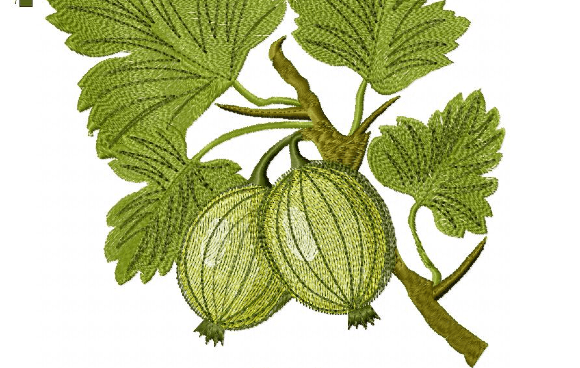
As an experienced embroidery designer who has spent years refining designs for commercial applications, I approach every new digital file with a critical eye. When I first encountered the Gooseberry machine embroidery design, my initial reaction was one of intrigue. The product description promises to "dive into the exquisite world" of a masterpiece created by a family of craft artisans, radiating bright and lively colors. For small business owners, Etsy sellers, and merch creators looking to elevate their brand identity, this description suggests a piece that balances professional polish with a warm, handmade charm.
In this review, I am evaluating Gooseberry not just as a decorative element, but as a strategic asset for branded patches, staff uniforms, tote bags, and product labels. We need to determine if this design truly delivers on its promise of capturing attention while maintaining the durability required for daily wear and tear.
First Impressions: Personality and Brand Fit
The name "Gooseberry" immediately evokes a sense of freshness, nature, and perhaps a touch of rustic elegance. Combined with the description's mention of "bright and lively colors," the design likely possesses a playful yet sophisticated personality. This makes it an excellent candidate for specific market segments such as boutique bakeries, florist shops, artisanal food brands, or creative studios.
Unlike stark, minimalist logos that can feel cold, Gooseberry appears to offer a friendly, approachable aesthetic. This is crucial for businesses that want to project a "handmade product" vibe. Customers today value authenticity, and an embroidery design that feels crafted with love rather than mass-produced can significantly enhance customer trust and engagement. Whether used as a chest logo accent on a work shirt or a subtle mark on a tote bag, the visual weight of Gooseberry seems designed to create a positive emotional connection with the wearer.
Real-World Application in Small Business Merch
The versatility of a well-executed embroidery design is what separates a good asset from a great one. Here is how Gooseberry could perform across various commercial use cases:
- Embroidered Patches: For a café or bakery, a high-quality embroidered patch featuring Gooseberry can serve as a premium badge of honor on staff aprons. It adds a layer of professionalism and team unity. If the stitch density is appropriate, it will hold up beautifully even after frequent washing.
- Caps and Headwear: Cap embroidery requires precision. A design like Gooseberry, described as having lively colors, can pop against dark or neutral cap fabrics, making it an ideal choice for event merch or promotional giveaways where visibility is key.
- Tote Bag Design: Tote bags are walking billboards for small businesses. Placing Gooseberry on a canvas tote allows the bright colors to shine, turning a simple accessory into a stylish brand statement that customers are eager to carry around town.
- Apron Embroidery: In a kitchen environment or a craft studio, an apron is often the primary uniform. Using Gooseberry here reinforces the "kitchen" category mentioned in the product details, suggesting a fresh, organic theme perfect for food-related enterprises.
- Product Packaging Accents: Beyond apparel, this design can be used on tags attached to handmade goods. It elevates the perceived value of the item, signaling to the buyer that care was taken in both the creation of the product and its presentation.
Strategic Considerations and Potential Pitfalls
While Gooseberry shows great potential, an experienced designer knows that context is everything. There are specific scenarios where this design might require careful handling to ensure a finished product that meets professional standards.
Small Patch Sizes and Cap Fronts: If you plan to scale Gooseberry down to a very small size for a pocket logo or a tiny patch, you must scrutinize the detail level. Designs with intricate outlines or fine text can become muddy when stitched at reduced dimensions. Always test the design at the intended final size before committing to a full production run.
Curved Surfaces and Fabric Texture: Embroidering on curved surfaces like caps presents unique challenges. The tension of the fabric can distort the stitches if the hoop size or stabilizer isn't chosen correctly. Similarly, textured fabrics like heavy denim or thick canvas may hide the detail of the design. If the fabric texture is too rough, the "exquisite" nature of the design might be lost.
Thread Color Contrast: The description highlights "bright and lively colors." On light backgrounds, these will look vibrant. However, on dark uniforms, you may need to increase the underlay or add a background fill to ensure the colors remain true and do not appear washed out by the dark fabric underneath.
High Stitch Density and Durability: Designs that aim for a detailed, painterly look often have high stitch counts. While this creates a rich texture, it can make the fabric stiff and prone to puckering if not stabilized properly. Frequent washing can also stress high-density areas, so ensure the design is robust enough for items that will see regular laundering.
Impact on Brand Identity and Professionalism
Every stitch tells a story about your brand. A sloppy or poorly executed embroidery job can undermine customer confidence, whereas a crisp, well-placed design like Gooseberry signals quality and attention to detail. By integrating this design into your custom apparel or branded patches, you are investing in visual consistency.
When a customer sees a cohesive look across your staff uniforms, your merchandise, and your packaging, it builds a stronger narrative. It transforms a simple transaction into an experience. The "family of craft artisans" aspect mentioned in the product description resonates with modern consumers who prefer supporting authentic, human-centric businesses. Gooseberry helps you communicate that ethos without saying a word.
Essential Designer Notes for Production
Before you upload Gooseberry to your machine and start stitching for your next order, there are several technical steps you must take to guarantee success:
- Test in Black and White: Convert the design to grayscale to check the contrast and balance of the elements. This ensures the design remains legible regardless of the thread colors you eventually choose.
- Check Small Patch Size: Run a test stitch on a scrap of the actual fabric you intend to use. Verify that all details are clear and no lines are merging together.
- Review Thread Colors: Ensure the selected thread colors provide sufficient contrast against the base fabric. Bright colors on dark backgrounds may need a different shade selection to maintain vibrancy.
- Inspect Spacing and Hoop Size: Confirm that the design fits within your standard hoop size without cutting off important elements. Proper spacing prevents the embroidery from feeling cramped.
- Use Proper Stabilizer: Select the right stabilizer (cut-away, tear-away, or water-soluble) based on the fabric type. This is critical for preventing distortion, especially on stretchy materials like t-shirts or fitted caps.
- Create a Printable Mockup: Before producing physical samples, generate a printable mockup to show clients or stakeholders. This allows for approval on placement and color scheme before any material is wasted.
- Compare with Other Assets: Place Gooseberry alongside your existing brand assets to ensure it aligns with your overall visual language.
- Confirm Commercial Licensing: Most importantly, verify that you have the correct commercial license to use this digital embroidery file for selling merchandise. Unauthorized use can lead to legal issues.
If specific details regarding the exact stitch count, file format, or recommended hoop size are not explicitly provided in the product download, you must contact the creator or consult the documentation before proceeding. Guessing these technical parameters can lead to costly errors in production.
Ultimately, the Gooseberry embroidery design offers a compelling option for small business merch and branded patches. Its lively character and artisanal feel make it a strong contender for enhancing your brand identity. By following these practical guidelines and testing thoroughly, you can ensure that your finished product reflects the excellence and care that your business deserves.